
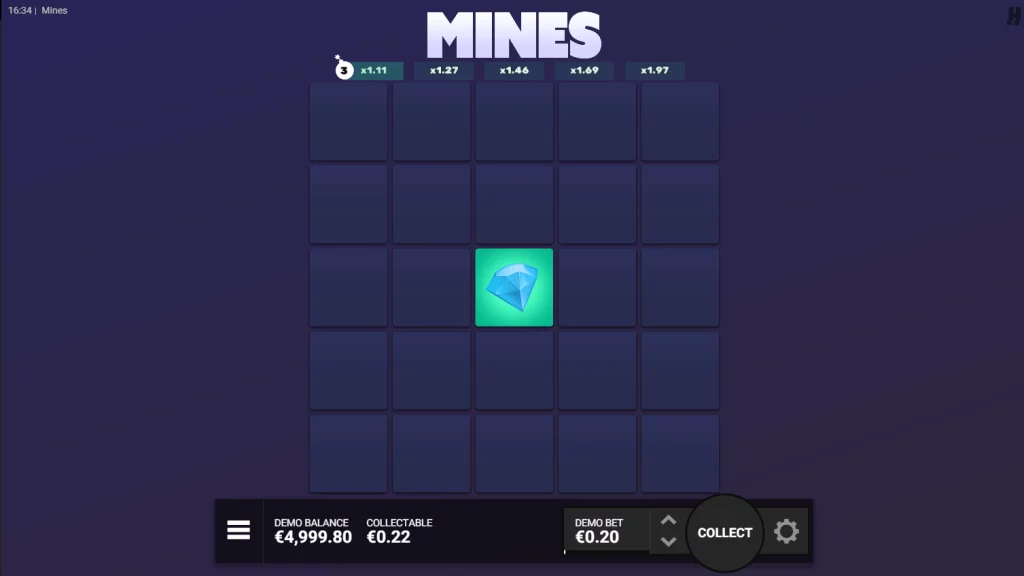
When evaluating the Fair Mines Game in the UK, you’ll find that a structured comparison strategy proves crucial. This strategy not only exposes the game’s strengths and weaknesses but also delivers insights into gamer interaction and learning outcomes. By exploring various criteria and interested party views, you can reveal important findings. But what do these findings really indicate for the prospects of environmentally responsible mining practices? The response may astonish you.
Key Insights
- Benchmark assessment within the Ethical Mining Simulation can identify the success of different approaches in balancing revenue with ethical considerations.
- Analyzing player comments through combined approaches can uncover insights on user experience, improving participation across diverse groups in the UK.
- Using narrative and predictive assessment assists track success measures, allowing for educated evaluations of game results and environmental impacts.
- Collaborating with stakeholders, including societal bodies, boosts the game’s importance by including multiple opinions on eco-friendly mining.
- Watching approaches during gaming provide instant insights vital for evaluating gamer decision-making approaches and their effects on sustainability and community welfare.
Overview of the Fair Mines Game
In the Fair Mines Game, players enter a realm where strategic planning meets asset control. You assume the role of a mining manager, harmonizing the removal of assets with ethical considerations.
As you move through the game’s difficulties, you’ll encounter quandaries like environmental impact and societal well-being. Each option affects not just your score, but the health of the surrounding ecosystem and local inhabitants.

You’ll formulate strategies to enhance resource extraction while maintaining sustainability. By managing finances and resources, you’ll see how each decision’s consequences extend outwards.
The game’s engaging mechanics drive you to think critically about your role in mining, all while competing against others to become the leading mining manager. Savor the thrill of balancing profit and ethics!
Methodological Framework for Analysis
To successfully analyze the Fair Mines Game, you’ll need a robust methodological framework.
This involves outlining your research design, selecting relevant data collection techniques, and implementing analytical methods that align with your objectives.
Let’s examine these components to secure a thorough examination of the game’s impact.
Research Design Overview
While creating a robust research design is vital for successful game analysis in the UK, it’s necessary to choose a methodological framework that matches with your objectives.
To ensure a well-structured approach, consider these key components:
- Purpose
- Scope
- Approach
Data Collection Techniques
Building on your research design, selecting the suitable data collection techniques can greatly enhance your game analysis. You might think about a mixed-methods approach, integrating qualitative and quantitative data.
Surveys can gauge gamer contentment and involvement levels, while watchful techniques allow you to capture game mechanics dynamics in live. Additionally, focus groups can provide detailed insights into player experiences and preferences.
Don’t overlook the potential of online analytics; tracking in-game metrics will yield useful data on gamer behavior. Keep your objectives in mind as you choose techniques, ensuring they align with your analysis objectives.
Collecting diverse data types can enhance your findings, leading to a more thorough understanding of the game’s effect and performance within the UK context.
Analytical Methods Employed
Understanding the analytical methods you choose can greatly shape the insights you gain from your game analysis. By employing a strategic approach, you can uncover important patterns and trends.
Here are three analytical methods to consider:
- Descriptive Analysis
- Predictive Analysis
- Comparative Analysis
Using these methods efficiently will enhance your game analysis and lead to more informed decisions.
Key Metrics Used in Evaluation
When evaluating game performance in the UK, several key metrics come into play that help you gauge success.
Player engagement rates are crucial, as they reflect how much time users invest in the game. You should also consider win/loss ratios, which indicate the balance and rivalry of gameplay.
Another important indicator is user retention, showing how well the game keeps players returning after their initial play. Additionally, average session length gives understanding into how immersive and enjoyable your game is.
Revenue per user or in-game purchases can reveal profitability. Lastly, social media engagement metrics, like shares and likes, highlight community engagement and outreach.
Stakeholder Engagement in the Game
In the gaming industry, engaging different stakeholders is crucial for success.
You’ll want to explore the various communication strategies that foster collaboration and feedback. Understanding these elements can enhance your approach to stakeholder management in game development.

Diverse Stakeholder Involvement
While the landscape of game development in the UK is complex, engaging varied stakeholders is crucial for creating a successful and inclusive experience. This involvement not only improves the game design but also fosters a sense of community.
To effectively include stakeholders, consider the following:
- Players – Gather feedback from a broad range of players to understand their experiences and preferences.
- Industry Experts – Collaborate with developers, designers, and educators to harness their expertise in game mechanics and storytelling.
- Community Organizations – Partner with local groups to ensure your game mirrors diverse perspectives and reaches underrepresented populations.
Communication Strategies Employed
Successful stakeholder engagement relies on effective communication strategies that promote collaboration and understanding among all parties involved. You’ll find that establishing clear channels for information flow is vital; whether through regular meetings, updates, or digital platforms, transparency is key.
Actively hearing stakeholders’ concerns and feedback allows adaptation of approaches appropriately, making sure all parties feels listened to. Employing graphics and engaging materials further enhances involvement and understanding.
It’s also crucial to customize your interaction approach to fit various groups, making the details relevant and accessible. Establishing confidence through reliable, truthful communication paves the way for collaborative relations.
Ultimately, adopting a proactive approach in addressing problems fosters a positive atmosphere, promoting collaboration and enhancing the overall effectiveness of stakeholder engagement in the game.
Comparative Analysis of Mining Practices
When assessing mining methods across various areas, it’s important to consider both ecological effects and financial feasibility.
Mining is more than extracting materials; it also affects local communities and environments. Here are three important aspects to consider:
- Resource Management
- Regulatory Compliance
- Local Engagement
Impact Assessment on Sustainable Mining
Mining practices not only affect local economic conditions but also are crucial in shaping ecological results, making impact assessments on eco-friendly mining increasingly significant.
By analyzing the effects of extraction on atmospheric conditions, water supplies, and biological diversity, you can identify possible dangers and benefits.
It’s crucial to evaluate how eco-friendly mining methods can reduce adverse impacts while supporting local communities. Involved party participation during this evaluation guarantees that varied opinions are taken into account, producing more balanced outcomes.
Additionally, you’ll want to observe key effectiveness indicators over time to assess advancement.
Lessons Acquired From Game Execution
Implementing games in learning or coaching contexts shows significant lessons that can improve future projects. Here are three key lessons you can apply:
- Engagement is Essential
- Feedback Loops Are Important
- Diverse Learning Styles
Future Trends for Mining Eco-friendliness
As the need for eco-friendly practices increases, examining cutting-edge approaches in the mining field becomes crucial. You should consider advancements like automated drones and AI for tracking environmental consequences, optimizing operations, and decreasing resource waste. Mines Game
Embracing circular economy ideas can also revolutionize how you handle supply consumption. Concentrate on reusing materials and repurposing secondary products to minimize the environmental impact.
Strong alliances with local communities can promote sustainable development, ensuring that gains are allocated equitably.
Lastly, stay updated on rules and best practices, as this will help you manage the changing environment of mining sustainability.
Frequently Asked Questions
How Was the Fair Mines Game Developed?
The fair mines game was developed through partnership among game designers and industry experts. They aimed to create an engaging educational tool that informs players about mining practices, promoting fairness and sustainability in resource extraction.
Who Can Participate in the Fair Mines Game?
Anyone involved in mining education can participate in the fair mines game. It’s designed for players of all ages, so whether you’re a novice or seasoned, you’ll find it engaging and educational.
What Are the Main Challenges Faced During Implementation?
You’ll face challenges like securing funding, coordinating stakeholders, and ensuring fair practices. Additionally, tackling regulatory compliance and managing participant expectations can be challenging, making it crucial to develop a comprehensive strategy for effective implementation.
Can the Game Be Adapted for Other Industries?
Yes, you can adapt the game for other industries. By adjusting the scenarios and principles to fit specific sector needs, you’ll encourage engagement and learning, making it relevant and beneficial for diverse fields.
What Resources Are Available for Further Learning?
You’ll find various resources like online courses, industry reports, forums, podcasts, and webinars. Websites such as Coursera, LinkedIn Learning, and industry-specific associations offer useful insights. Don’t forget to explore books and articles for more in-depth knowledge!
Conclusion
In conclusion, the comparative examination of the Fair Mines Game uncovers important insights into its dynamics and player involvement. By analyzing critical metrics and interested party involvement, you can determine elements for advancement that enhance learning results. The insights acquired from this game not only inform enhanced creation but also add to the wider discussion on eco-friendly mining techniques. Moving forward, these findings can direct forthcoming initiatives, securing a more involved and knowledgeable society around mining sustainability.
