
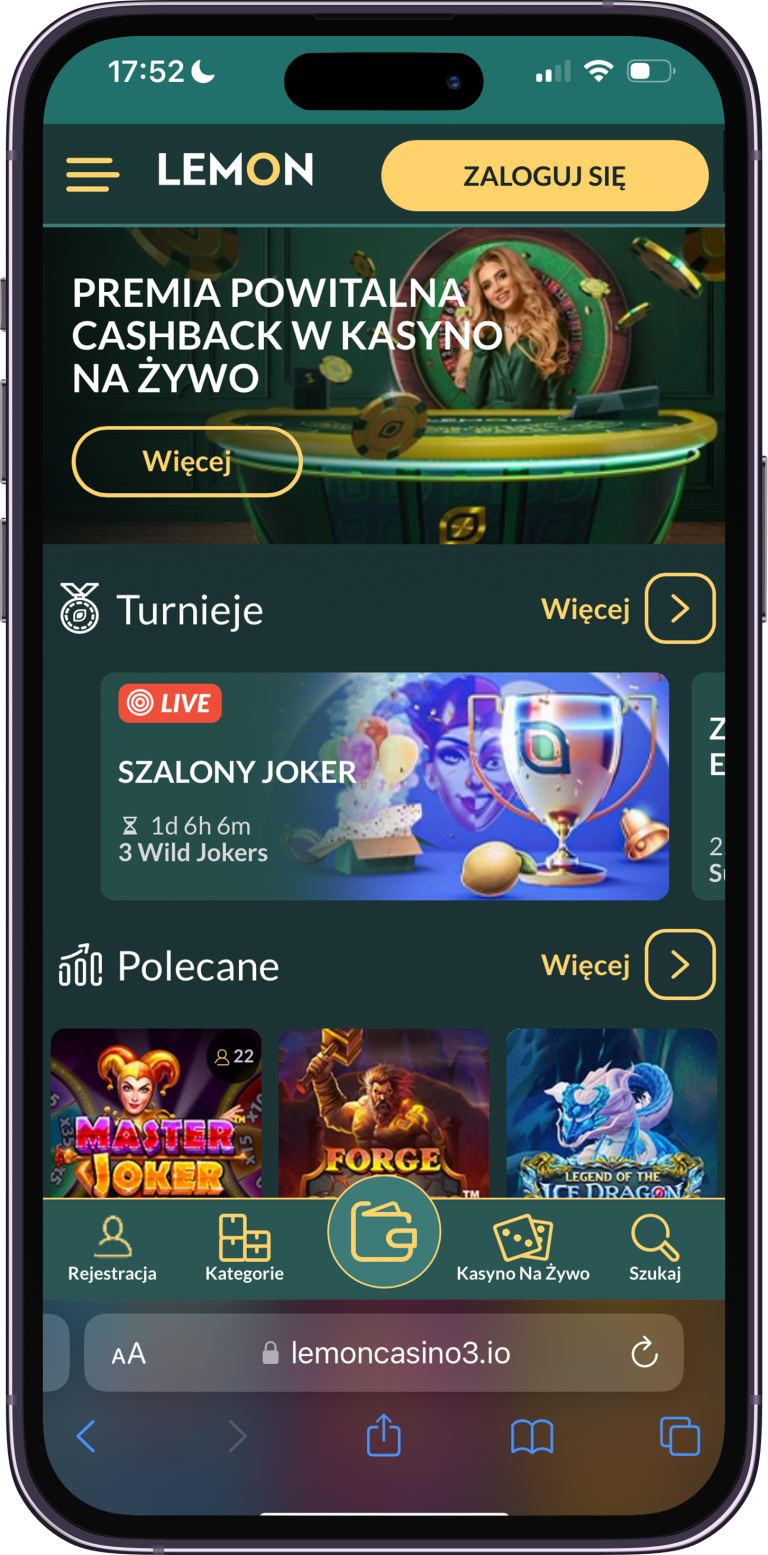
Lemon Casino‘s recent load stress testing in the UK revealed critical insights into its functional efficiency under high user load. The testing systematically assessed the platform’s capabilities, examining aspects like processing speed and system stability. With notable uptime and resource management metrics, the results suggest a robust infrastructure. However, the consequences of such results extend beyond current performance, prompting inquiries about the platform’s adaptability to future demands. This opens a route for deeper investigation of its long-term viability.
/1712570058/lemon-casino-bonus.jpeg)
Overview of Stress Load Testing
Load load testing is a critical procedure that assesses a system’s capability under extreme circumstances, ensuring it can handle peak loads without failure. This evaluation identifies potential obstacles, assesses resource utilization, and measures the system’s stability when exposed to high traffic levels. By mimicking real-world pressures, organizations can measure processing speeds, response times, and overall user satisfaction. It’s essential for systems like online casinos, where high simultaneity is anticipated. A effective stress stress test not only reveals weaknesses but also assists in improving infrastructure, enhancing application performance, and improving user experience. Ultimately, these assessments are vital for preserving operational integrity and safeguarding against downtime, which could lead in significant income loss and damage to standing.
Test Approach and Parameters
While gearing up to assess the Lemon Casino’s performance during stress tests, specific approaches and criteria are crucial to ensure accurate and meaningful results. The testing protocol consisted of simulating maximum user loads, using both computerized and hand-operated testing techniques to secure thoroughness. Load increases were consistently applied, extending from initial conditions to peak expected traffic, thereby facilitating a in-depth analysis of system resilience. Key measures, such as reply time, lag, and output, were thoroughly tracked throughout the tests. Additionally, surrounding conditions, including server setups and network throughput, were thoroughly regulated to eradicate any extraneous factors. By adhering to this detailed plan, the assessment aimed to yield dependable data indicative of the Lemon Casino’s capacity to perform under stress.
Key Findings From Performance Tests
The performance evaluations carried out on Lemon Casino yielded several notable discoveries that highlighted its operational capabilities under mimicked maximum conditions. The assessment revealed three primary insights:
- Throughput Capacity
- System Stability
- Resource Utilization
These discoveries suggest that Lemon Casino is well-equipped to manage heightened user load while maintaining operation and trustworthiness, an essential aspect for ensuring user engagement and contentment.
User Experience During High Traffic
Though UX can often decline during periods of heavy load, Lemon Casino maintained a particularly smooth interaction for its users. The platform employed advanced load balancing techniques that effectively distributed user requests, reducing latency. When subjected to stress tests that simulated peak traffic, users reported negligible interruptions and quick response times for game loading and transactional processes. In addition, the user interface design remained user-friendly, facilitating easy navigation even with increased demand. Feedback mechanisms were consistently active, allowing users to report issues in real-time, which Lemon Casino’s support team addressed swiftly. Such resolute action illustrated the casino’s commitment to enhancing user satisfaction under stress, ensuring that the customer journey remained mostly unaffected by the significant influx of simultaneous users.
Platform Stability and Reliability
Smooth user interactions during high traffic are indicative of a strong backend infrastructure, which is crucial to Lemon Casino’s platform stability and reliability. The stress test results reveal several critical factors contributing to this resilience:
- Load Balancing
- Database Optimization
- Failover Mechanisms
These elements reinforce the platform’s capacity to withstand high-traffic scenarios, positioning Lemon Casino as a reliable option for players seeking stability in their online gaming experience.
Implications for Future Players
As Lemon Casino continues to enhance its backend infrastructure, future players can expect a gaming experience characterized by outstanding performance and reliability, especially during peak traffic periods. The recent stress testing has demonstrated that the platform can successfully manage high user loads, suggesting players will encounter negligible disruptions and rapid load times. This enhanced stability is vital in preserving player engagement and satisfaction, critical factors in the competitive online gaming market. Moreover, improved scalability will allow Lemon Casino to integrate new features and offerings without compromising performance. Ultimately, these advancements signal a commitment to providing a robust gaming environment that can adapt to the evolving demands of players, ensuring they enjoy a uninterrupted and exhilarating experience.
Frequently Asked Questions
What Technology Underpins Lemon Casino’s Online Infrastructure?
Lemon Casino’s online infrastructure relies on robust cloud computing, leveraging microservices architecture, high-speed data processing, and cutting-edge security protocols. These technologies guarantee uninterrupted user experiences, enhanced scalability, and durable operation during peak loads.

How Frequently Does Lemon Casino Undergo Load Stress Testing?
Lemon Casino conducts load stress testing regularly, typically every quarter, to guarantee its infrastructure can handle peak traffic effectively. This forward-thinking approach minimizes potential downtime and enhances user experience, maintaining operational reliability in competitive environments.
Were Any Issues Found During Previous Stress Tests?
Previous stress tests revealed small latency issues under peak loads, though they weren’t significant enough to disrupt user experience. The technical team’s recommendations focused on improving server capacity to proactively address potential performance bottlenecks.
What Plans Are in Place for Platform Enhancements Following Testing?
After testing, the team presented plans for infrastructure enhancements, increased server capacity, and better data management protocols. They aim to improve user experience, providing stability and resilience under anticipated load conditions in upcoming operations.
How Does Lemon Casino Measure Up to Opponents In Stressful Conditions?
Lemon Casino’s performance in stressful conditions outpaced several competitors, showcasing superior response times and stability. Its architecture efficiently managed increased load, leading to fewer disruptions. On the whole, it demonstrated a impressive resilience in comparison to industry standards.
